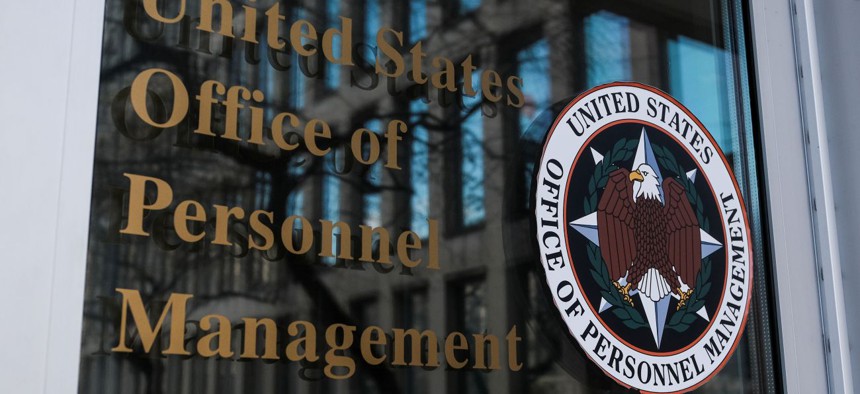
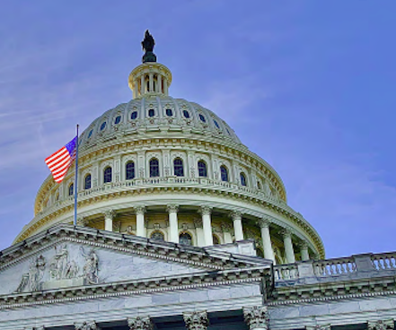
The Office of Personnel Management announced this week that federal employees' share of their health care premiums will increase 10.9% next year, an improvement of 2026's increase but the third consecutive year of double-digit hikes. Michael A. McCoy/For The Washington Post via Getty Images


Federal employees’ health insurance premiums to rise by double digits for third straight year
Some insurance carriers have undergone wide swings in cost, as at least one plan’s premiums will more than double next year.

Federal employees and retirees will pay an additional 10.9% on average toward their health insurance premiums in 2026, the third straight year of double-digit increases, according to the Office of Personnel Management.
The government’s share of Federal Employee Health Benefits Program premiums will increase by an average of 8.6% in 2026, making the overall cost increase 9.3%. This year, the increase in employees’ share of insurance premiums was 12.3%, and in 2025 that increase apexed at 13.5%.
For enrollees in the nascent Postal Service Health Benefits Program, premiums are expected to rise 8.2% on average, while the government’s contribution towards those benefits will increase 6.0%. In 2026, postal employees and annuitants saw their share of premiums increase by an average of 9%.
The Federal Employee Dental and Vision Insurance Program will see average premium increases of 1% for dental and 1.6% for vision next year.
Unlike past years, OPM did not provide reporters with the average premium increases for the three plan types—self, self plus one and family—on a per paycheck basis. When asked for the information, the agency sent a copy of its “Open Season Highlights” document, and then a collection of spreadsheets listing every FEHB plan’s premium increase.
In a press release announcing Open Season, which will run from Nov. 9 through Dec. 14, OPM highlighted that premium growth has “slowed” for the second straight year. Officials attributed premium increases to industry-wide cost increases, increased use of behaviorial and mental health, and the ballooning adoption of GLP-1 drugs for weight loss.
“For the second year in a row, OPM has been able to reduce the average rate of premium increases for federal employees and annuitants,” said Matthew Kiley, the agency’s associate director for health care and insurance. “This is just the start of a more comprehensive set of programs to ensure that we deliver great health plan options to our enrollees while preventing them from getting priced out of the market.”
A new requirement beginning with this fall’s Open Season is that when a federal worker or annuitant adds a new family member to their insurance coverage, they must submit supporting documentation to verify their eligibility, part of OPM’s implementation of the 2025 FEHB Protection Act. And beginning next year, the government will require employees seeking a prescription for a GLP-1 drug to undergo “12-22 intensive behavioral therapy sessions per year” prior and during treatment.
As in past years, OPM encouraged federal workers to shop around from among the more than 100 insurance plan offerings and to take advantage of using pre-tax money to pay for out-of-pocket costs via a flexible spending account. New for next year is the availability of a debit card via FSAFEDS, reducing some of the administrative burden of needing to submit paperwork and receipts for reimbursement.
Kevin Moss, a senior editor with Consumers’ Checkbook’s Guide to Health Plans for Federal Employees, said it is more important than ever to actually follow that advice. That’s because hidden behind the average premium increase figures are a number of wide swings on the individual plan level.
For instance, premium increases for the largest insurer, Blue Cross Blue Shield, are below the 10.9% average. But the cost for MHBP, which itself was a haven for many feds when Blue Cross had higher premium increases during last year’s Open Season, will increase 63% for self plans, 83% for family plans, and 105% for self-plus-one coverage.
“You know, very few people actually switch plans from one year to the next—it’s only like 5%,” Moss said. “If there’s any upside here—and overall, I think there isn’t because a double-digit increase is tough to take—it’s that sometimes it takes something negative to motivate people to do the thing they should have done every year. Take a look at the plan, the benefits you plan to use, and see if it all fits your needs, while doing research to see if there’s another plan that could offer a better value.”
Organizations representing federal employees and retirees said the news from OPM underscore the need for Congress to override President Trump’s plan to freeze most federal workers’ pay next year.
“Federal employees are already being squeezed by rising costs and are now facing a double-digit increase in what they pay for health insurance,” said Doreen Greenwald, national president of the National Treasury Employees Union. “A 10.9% increase in health insurance premiums makes the proposed pay freeze even more unacceptable. Federal employees cannot afford to keep paying more while their paychecks fall further behind. Congress must reject the pay freeze and deliver a meaningful pay raise in 2027.”
“Federal employees have often chosen the call of public service over the prospect of financial reward offered in the private sector,” said Bill Shackelford, president of the National Active and Retired Federal Employees Association. “But the commitment to service does not eliminate the need for a decent-paying job sufficient to cover rising costs for yourself and your family. I worry how the cumulative impact of rising costs and damaging workforce policies will impact the ability to recruit and retain the workforce needed to meet the nation’s needs and serve the public interest.”
NEXT STORY: TSP funds were back in the negative in September