
Workforce
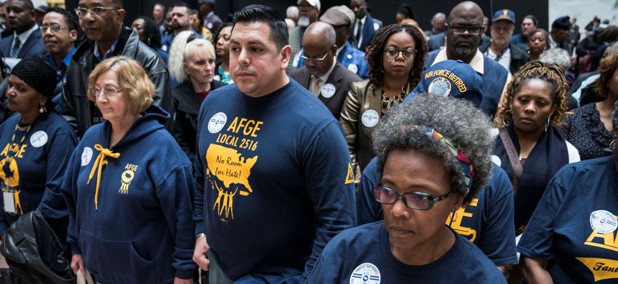
Post-midterms, federal unions push for pay raise, restoration of bargaining rights
Labor leaders said they are hopeful lawmakers could tackle some priorities in Congress’ "lame duck" session, ahead of Democrats’ formally taking control of both the House and Senate next year.
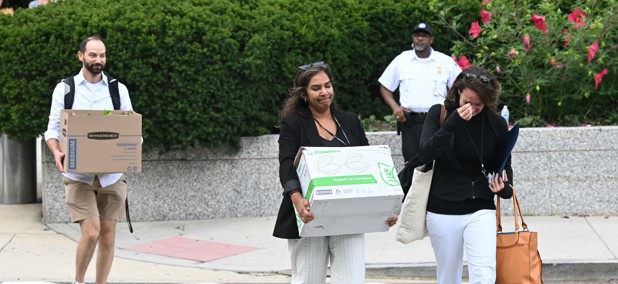
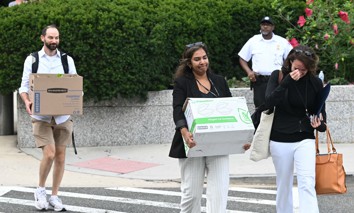
‘Exit survey’ of former feds finds fears of civil service politicization under Trump — and many willing to return to their agencies
While the Office of Personnel Management has argued that most of the 2025 federal workforce separations were voluntary, academic researchers countered that many of the departing civil servants reported they felt forced into resigning.


The census shows what government does well — and what political interference could break, author argues
A university researcher who embedded in the Census Bureau ahead of the 2020 national headcount warns in a new book that President Donald Trump’s federal workforce reforms, paired with decades of “Jenga politics,” could put the next census at risk.
Mediation agency finalizes rule allowing denial of arbitrator requests
Union officials said that though the final rule is an improvement over the Federal Mediation and Conciliation Service’s initial plan, it still improperly usurps arbitrators’ authority.
OPM touts ‘hire-palooza’ event for early-career employees
A good government group criticized the Office of Personnel Management for providing limited information about the virtual hiring fair, which is restricted to individuals who are already in the federal hiring process.
Judge: ‘Article II’ firings violate separation of powers, civil service law
U.S. District Judge Jesse Furman said adopting the Trump administration’s argument that the Civil Service Reform Act usurps presidential power would “unsettle the very equilibrium of this nation’s constitutional system.”
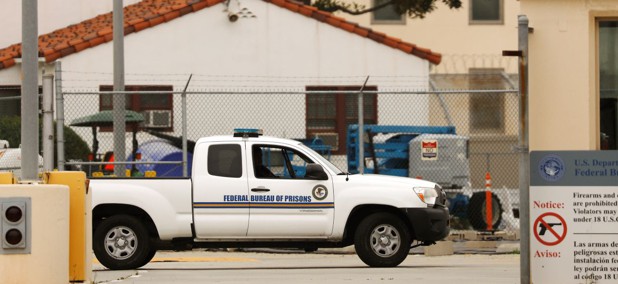
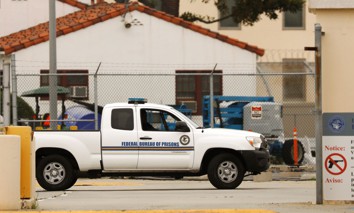
Bureau of Prisons seeks another shot at ending union contracts
One union local president said he is still routinely denied official time, has meeting requests ignored, and that his prison has failed to reinstitute compressed work schedules.
The legal fight over the public service student loan forgiveness overhaul may be over
Two different federal judges in June ruled that the Education Department’s changes to the program were unlawful. On Wednesday, the Trump administration dropped its appeals.
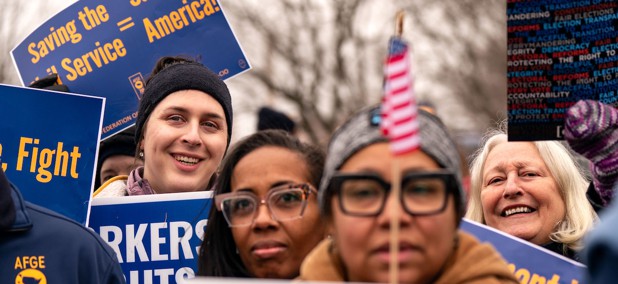
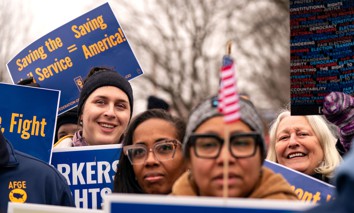
DOGE’s layoffs took a toll on Black women. The effects are still being felt
The loss of federal jobs has left many Black women grappling with financial insecurity, emotional distress and an uncertain future, with consequences that extend beyond the workplace.
Union seeks new avenue to restore VA contract
The American Federation of Government Employees asked a federal judge to issue an “indicative” ruling that would only take effect if OKed by the First Circuit Court of Appeals.
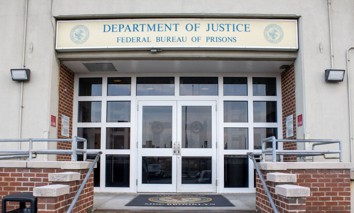
Judge again orders reinstatement of Bureau of Prisons union contracts, but stops short of contempt
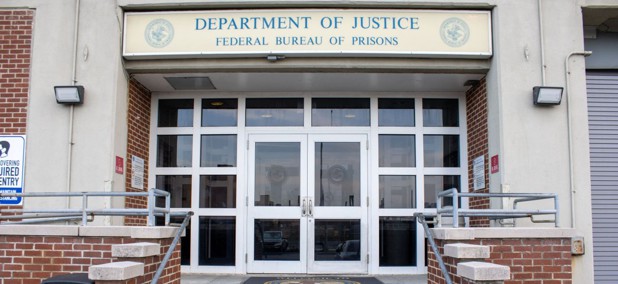
U.S. District Judge Jordan Oliver found that the agency’s re-termination of its collective bargaining agreements last week violated last month’s preliminary injunction but said he would not police individual contract infractions.
Featured eBooks


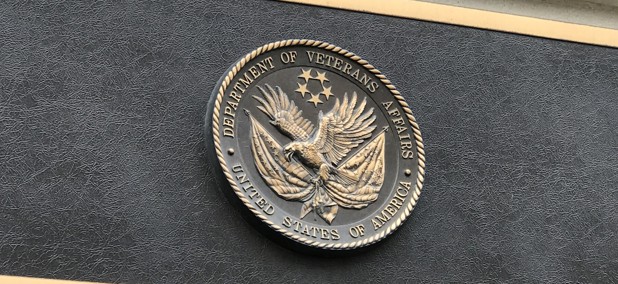
VA allows union contract to expire for most employees
Individuals hired as departmental police officers, firefighters and security guards, exempted from Trump’s anti-union orders, remain covered under the expired collective bargaining agreement, albeit only for “mandatory” conditions of employment.
HHS scraps disability accommodations over missing paperwork. Employees say they have receipts
A union leader for CDC headquarters employees said the Health and Human Services Department closing out these accommodation requests was “a deliberate choice to clear the backlog."
Bureau of Prisons re-terminates union contracts despite court order
Attorneys for the Trump administration said there is nothing in U.S. District Judge Vernon Oliver’s preliminary injunction preventing BOP from canceling its collective bargaining agreements a second time.


Some former federal employees are still struggling to find the right fit
Workforce officials and lawmakers say some of the employees pushed out of government last year are still struggling to find work that matches their skills.
Union demands federal prison leaders be held in contempt after agency ‘openly defies’ court order
The U.S. Bureau of Prisons director reportedly said in a meeting shortly before an injunction required him to restore the agency’s union contracts, “I don’t take directives from the court. I take my orders from the president.”
Social Security ends flexible work schedules, teeing up clash with union
The agency’s top HR official says these changes are necessary to “deliver the service the public expects.” A union argues SSA violated its labor contract making this decision on its own.



Using holiday lights to inform hurricane recovery? Award honors ‘seemingly odd’ federally funded research that brings about groundbreaking discoveries
The Trump administration has sought to upend federal support for scientific research, including through budget cuts and granting political appointees more control over the grantmaking process.


Bureau of Prisons is the latest agency ordered to reinstate union rights
As of Tuesday, at least one correctional facility has refused to recognize its union local, in apparent contravention of a preliminary injunction issued last week.
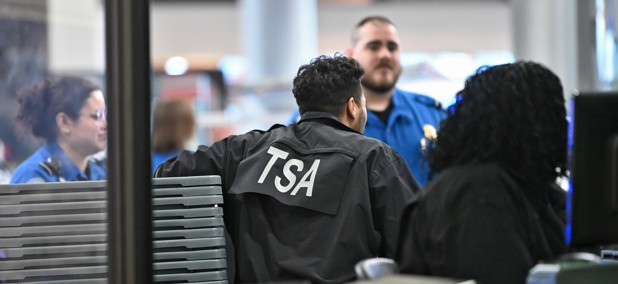
TSA took away its officers’ chairs. The union isn’t sitting quietly
The Trump administration has taken several actions to weaken Transportation Security Administration employees’ collective bargaining rights.
