


Tech
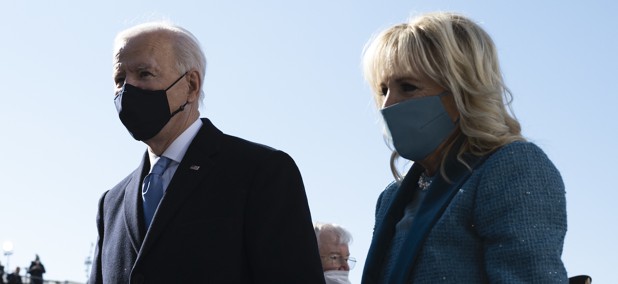
GovExec Daily: Joe Biden's IT Priorities in the White House
Former federal CIO Vivek Kundra joins the podcast to discuss the information technology and cloud computing challenges the new president will face.


Tech
5 Ways Biden Can Help Rural America Thrive and Bridge the Rural-Urban Divide
A new federal antipoverty program for both rural and urban areas is part of the solution, but the power of Big Ag, lack of internet and struggling towns need attention, too.


Workforce
Why You Should Turn off Your Camera During Zoom Meetings
It's not just to hide clutter anymore—leaving your camera off during your next virtual meeting could help save the planet, too.


Defense
Air Force Recommends Space Command Move to Alabama
With one week left on the job, Secretary Barrett picked Huntsville. The decision, however, is not final.


Defense
It's Harder to Boot Right-Wing Extremists from Social Media Than ISIS
There are various reasons why. But studies suggest it’s still worth the effort.
Defense
Superspreader Down: How Trump’s Exile from Social Media Alters the Future of Politics, Security, and Public Health
Platform companies have finally come to grips with their roles as owners of battlefields.

Tech
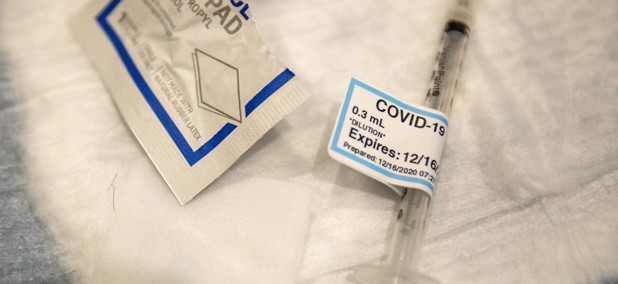
How Will People Actually Get COVID-19 Vaccines?
With COVID-19 vaccine distribution underway, how will people get them and what are the potential distribution pitfalls? An expert breaks down the logistics.


Tech
GovExec Daily: What We Know About the Massive Hack
Nextgov's Frank Konkel joins the podcast to discuss the data breach affecting agencies and contractors.


Defense
The Pentagon Is Ill-Organized to Improve Its Use of Electromagnetic Spectrum, GAO Says
Old ways and means are quickly becoming obsolete — but spectrum issues remain everyone’s second job.
Tech
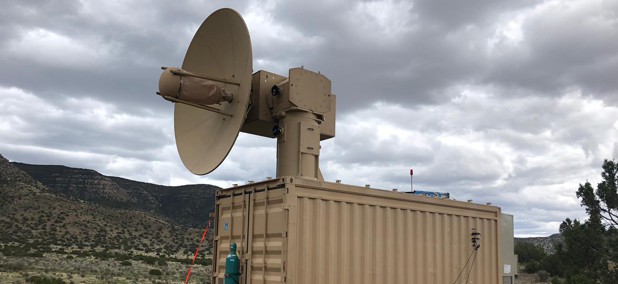
Scientists Suggest U.S. Embassies Were Hit With High-Power Microwaves – Here’s How The Weapons Work
High-power microwave weapons are useful for disabling electronics. They might also be behind the ailments suffered by US diplomats and CIA agents in Cuba and China.


Tech
Expert: We Need New Laws For The Facial Recognition ‘Wild West’
A new paper outlines why Congress needs to regulate facial recognition to protect consumers and their "faceprints."


Defense
Soldiers Don’t Trust Robot Battle Buddies. Can Virtual Training Fix That?
Allowing soldiers to train their robot wingmen in game environments could be the key to human-machine teaming.


Tech
Regulators Can Help Clear the Way for Entrepreneurial Energy Companies to Innovate
A study points to one way to speed up adoption of innovations in clean energy technology – more flexibility among state regulators.


Defense
US Army Aims to Convert Navy Missiles for Remote-Launched Strikes
If experiments prove out, one soldier-operator will be able to pour fires from diverse launchers onto a target.


Pay & Benefits
Robocalls Told at Least 800,000 Swing State Residents to 'Stay Home' on Election Day. The FBI Is Investigating.
A firm that tracks robocalls said more than 3 million calls were made on Nov. 3, which contained a cryptic message instructing people to “stay safe and stay home.” The tactics join other efforts to confuse voters this election cycle.


Tech
How to Be a Good Digital Citizen during the Election – and Its Aftermath
That "friend of a friend" post you're thinking about sharing on social media could make you an unwitting accomplice in a disinformation campaign.
Tech
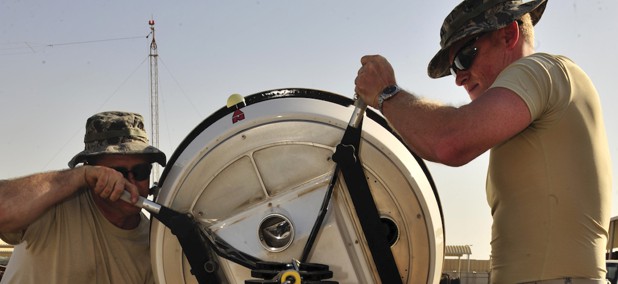
The US Military Is About to Launch Its Largest 5G Experiments Yet
The “at-scale” tests could change defense networks, training, and logistics — and how Americans use the Internet.
Defense
Boots on The Moon Are Going to Have to Wait, Space Force General Says
NASA’s astronaut program is the quickest way to space for military personnel.
Tech
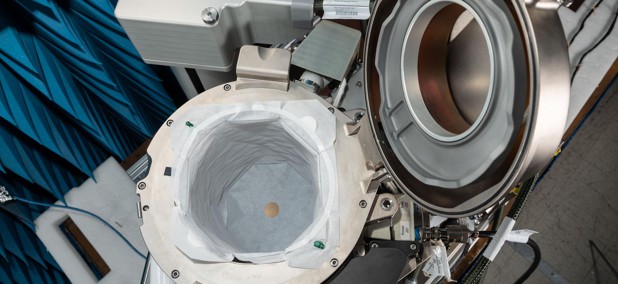
GovExec Daily: NASA's New Space Toilet Project
Nextgov's Brandi Vincent joins the podcast to discuss the Universal Waste Management System.
Oversight