
Technology
‘Digital employees’ are coming to the Defense Logistics Agency
Nearly 200 agentic-AI bots are already running autonomously as the combat support agency pushes ahead with AI-powered tools, CIO says.


25 years after 9/11, spy agencies face old lessons and new threats
Former intelligence officials describe a nation better equipped to disrupt terrorist plots, but still wrestling with the costs of its response and how to prevent the next crisis under escalating technology threats.


On 9/11’s 25th anniversary, modernizing government starts with remembering our past
COMMENTARY | Federal agencies still struggle to share information across organizational boundaries. The lessons of the post-9/11 reforms could help agency leaders build the data infrastructure needed for modern government and AI.
Trump signs veterans benefits order calling for improved data sharing
The order instructs the departments of Veterans Affairs and Defense to conduct a broad review of information technology-related contracts to ensure greater interoperability.
NSA looks to AI to help analysts sift through vast data troves
The tools can speed up work that takes days or weeks, the agency’s cybersecurity chief said.
The National Science Foundation is building out the government’s AI research infrastructure
A new center will help the agency expand access to the computing power and other resources researchers need to develop artificial intelligence.
National Archives says agencies’ AI use does not automatically create federal records
New guidance from the National Archives and Records Administration outlines when agencies should preserve AI-related materials as federal records and notes there is no “one size fits all” approach to doing so.

OPM memo pushes agencies to speed up hiring with AI
The federal human resources agency is exploring new AI tools for USA JOBS, USA Staffing and other USA hiring tools as agencies use AI in their hiring processes, according to the memo.
What AI’s workplace adoption means for government agencies
COMMENTARY | Census data shows how workers are using AI in their everyday jobs, while government leaders are testing ways to bring those same practical uses into the public sector.
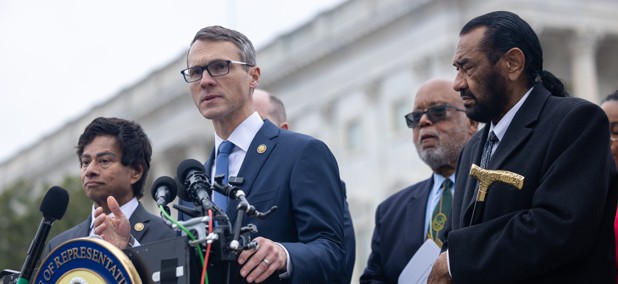
House Democrats want answers on what CISA lost in workforce cuts
Lawmakers want Congress’ watchdog to assess what capabilities were lost after the cyber agency shed roughly one-third of its staff.
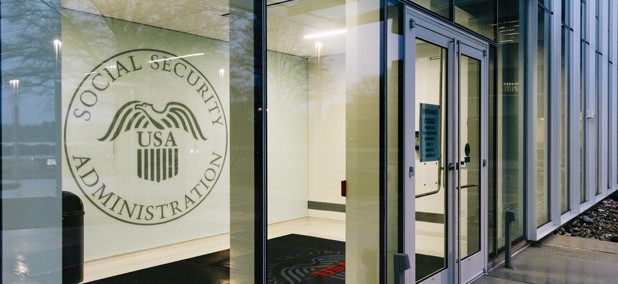
Social Security expands electronic health record sharing to speed up disability claims adjudication
A health data sharing superhighway “allows SSA to access complete, structured medical records within seconds or minutes for claimants, helping to significantly reduce disability claim processing times,” an agency official told Nextgov/FCW.
Featured eBooks
OneGov savings balloon to over $1.6B as agencies weigh future of AI in contracting
The General Services Administration has already agreed to extend some OneGov deals and is working on brokering new ones, according to an official.
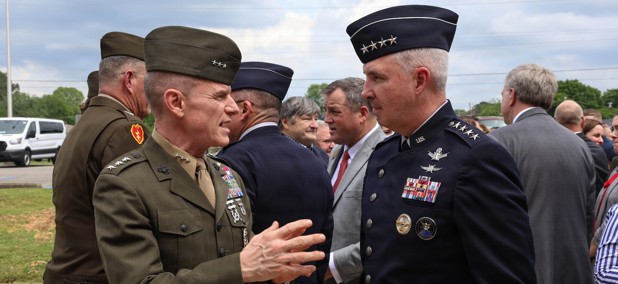

Space Command says it needs to ‘shoot, move and communicate’ in orbit
Gen. Stephen Whiting, the outgoing commander of U.S. Space Command, used his final speech at the Space and Missile Defense Symposium in Huntsville, Ala., to outline the capabilities he says the military needs to keep pace with China.
VA’s benefits system overhaul is running into some familiar problems
An audit found gaps in planning, cost estimates and oversight that could put the modernization effort further behind schedule.
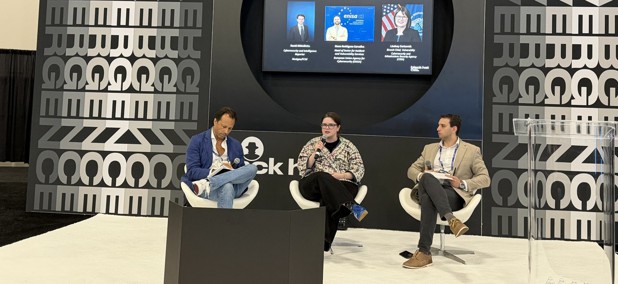
A crucial cybersecurity system is getting a closer look from Congress
A proposal to formalize the vulnerability tracking program could strengthen its foundation, but officials warn against rules that could limit its ability to adapt.


The government's AI guardrails are taking shape behind closed doors
A new process could influence how advanced AI is developed and used, even as many of its details remain confidential.


House probe finds gaps in U.S. effort to remove Chinese telecom risks
The findings highlight the challenges agencies face in addressing national security risks embedded in complex private networks.
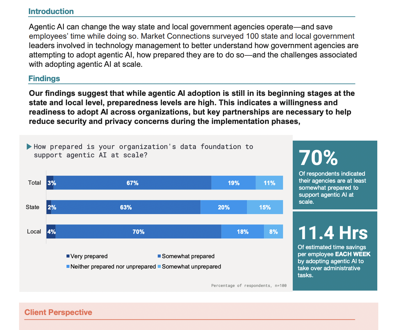


GSA’s digital roadmap looks to enhance agencies’ services, CIO says
Efforts to speed up adoption of new capabilities have “disrupted the longstanding practice of how technology is driven into this government,” GSA CIO Dave Shive told Nextgov/FCW.


U.S. Digital Corps graduates largest class of fellows yet
“This government has starved for talent,” OPM Director Scott Kupor said during graduation remarks.
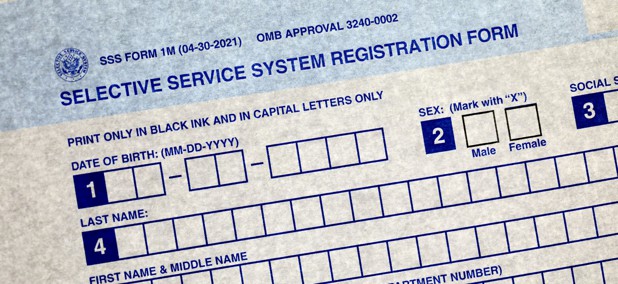
Selective Service System seeks software to aid the draft
If the military draft were to ever come back, this software would be used to quickly evaluate staffing and resource requirements.