Civil Service

Judge halts ‘favorite EO’ question on federal job applications
U.S. District Judge George O’Toole issued a stay blocking federal agencies from asking an essay question civil service advocates call a “loyalty question,” but found he could not prevent consideration of answers already provided by job applicants.
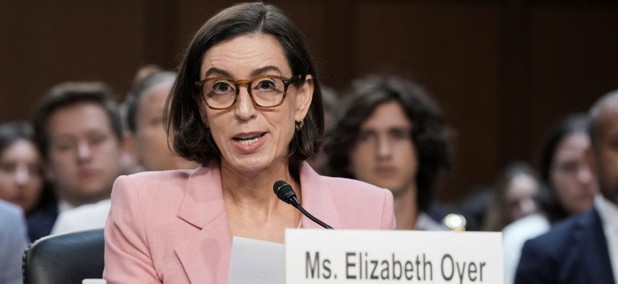
Former pardon atty calls MSPB ‘a dead end,’ sues for reinstatement
Liz Oyer, who was fired from her position as pardon attorney last year over her refusal to recommend that Mel Gibson’s right to own a firearm be restored, said the Justice Department did not follow its own policies when it removed her.


Agencies have a new question to answer about employee misconduct
COMMENTARY | New rules could give agencies another way to act on misconduct uncovered through continuous vetting. The challenge will be making sure they’re ready to use it.
Pushed out by the Trump administration, these ex-feds want to make agency firings simpler and fairer
Across 12 cases that were analyzed for a new report on federal firing reform, it took an average 19 months for the underperforming employee to be removed or otherwise leave the position.
Unions: OPM’s suitability and performance management overhauls assert ‘plenary’ authority over federal firing
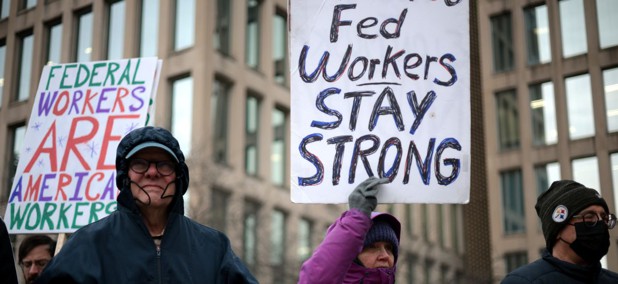
A coalition of labor groups sued the Trump administration Monday, arguing recent moves to centralize authority within the Office of Personnel Management and insert subjective criteria into employee evaluations amount to an end-run around the 1978 Civil Service Reform Act.
Agencies backfilled 20,600 employees who left government under the deferred resignation programs, analysis finds
The Office of Personnel Management disputed the findings and countered that the analysis also shows around 85% of the DRP separations were not replaced.
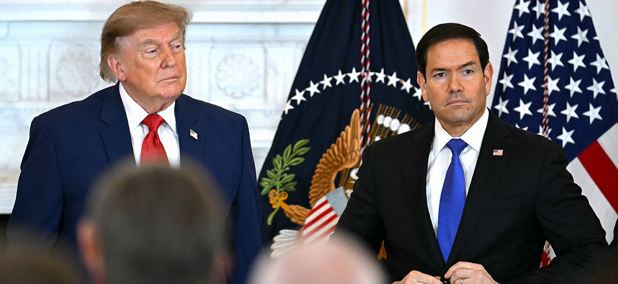
State Department board’s ability to challenge firings undercut by DOJ
Critics of the decision say the Justice Department's opinion is another step in the Trump administration's goal of making it easier to fire federal employees who are not fully aligned with its policy goals.
Federal job listings provide clues for next set of Schedule P/C conversions
New analysis from the Partnership for Public Service reveals that agencies have begun advertising positions as Schedule Policy/Career or planned for the at-will job category.
State Department expands push to reclassify employees as at-will workers
An expanded search for more Schedule Policy/Career conversions is still in its early stages, but a department employee says the effort is “moving relatively fast.”
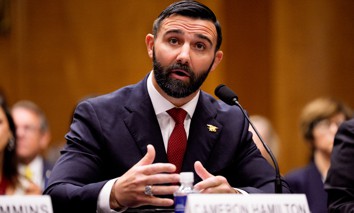
Key oversight and federal workforce nominees confirmed by Senate
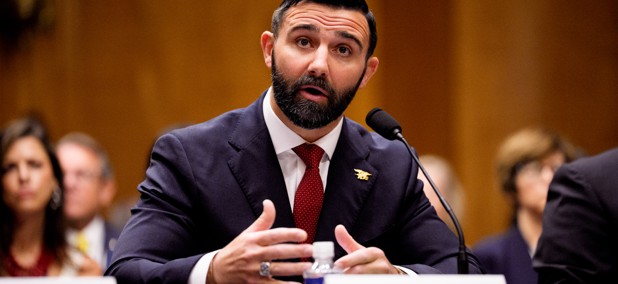
Several of the individuals will lead agencies that have been downsized or otherwise weakened by the Trump administration.


New documentary recounts ‘free-for-all attitude of cruelty’ toward axed federal employees
The movie, which was filmed during the start of the second Trump administration, examines the human and societal effects of recent federal job cuts.
Trump wants to scrap a key framework for federal employee discipline
Officials said the Douglas factors, 12 criteria federal agencies have used for 45 years to devise and justify discipline for misconduct, are too restrictive and “mechanistic.” Practitioners disagree.
Featured eBooks

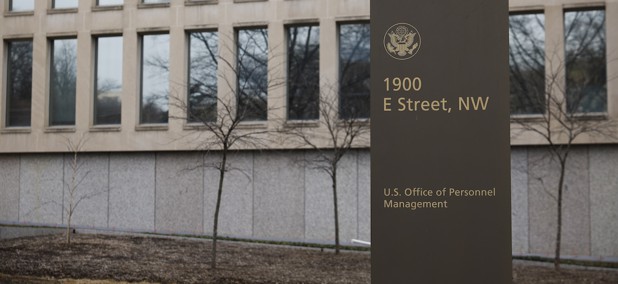
OPM finalizes ‘Nixonian’ rule centralizing and enabling some federal firings
Under final regulations published this week, the federal government’s dedicated HR agency can remove federal employees from across government over suitability and conduct issues—blocking most avenues for appeal.
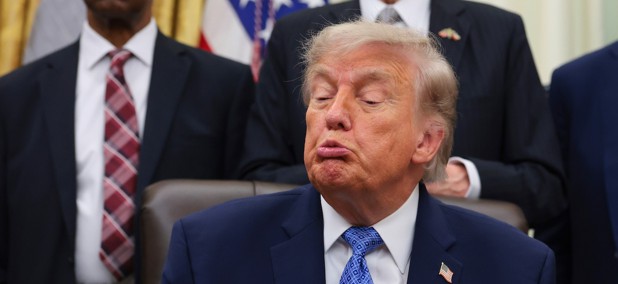
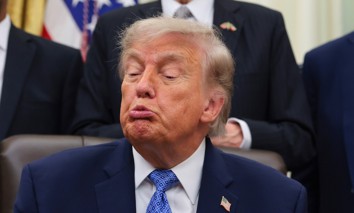
Slaughter and the expansion of presidential power
COMMENTARY | The Supreme Court’s latest ruling has dismantled a century of independence for federal regulators, and the ripples of this decision may just be the start of a much broader reshaping of the executive branch.
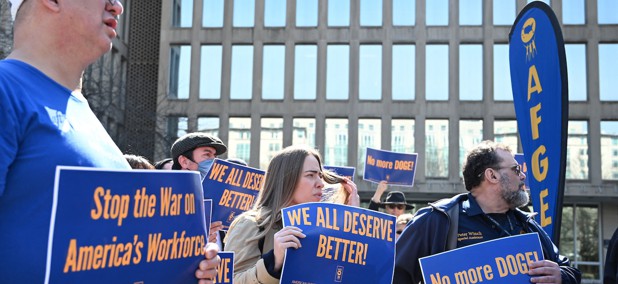
Lawmakers, unions and civil society groups urge withdrawal of governmentwide NDA plan
The Office of Personnel Management received more than 30,000 comments on its plan to require federal workers sign nondisclosure agreements, which critics said would violate the First Amendment and chill whistleblowers.


President can fire independent agency heads without cause, Supreme Court rules
Justice Sonia Sotomayor wrote in a dissent that the decision “reshapes our government.”
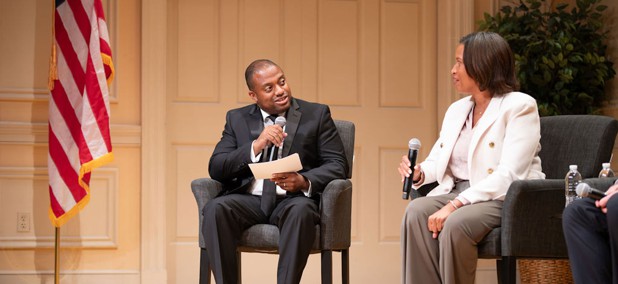
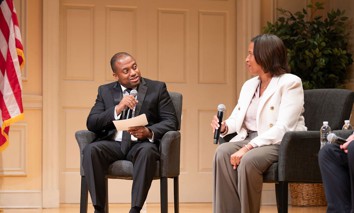
Award-winning civil servants counter negative stereotypes of government employees
The National Academy of Public Administration celebrated public servants as part of the 250th anniversary of the U.S.
In rare move, full appeals court agrees to hear case challenging Trump’s ‘Article II’ firings
Federal circuit courts typically hear cases via randomized three-judge panels, reserving review by the entire judicial bench for its most important cases.
Most Americans think government workers are competent and should be nonpartisan, according to recent surveys
A survey from the Partnership for Public Service also found that a majority of Americans oppose the Trump administration’s changes to government.
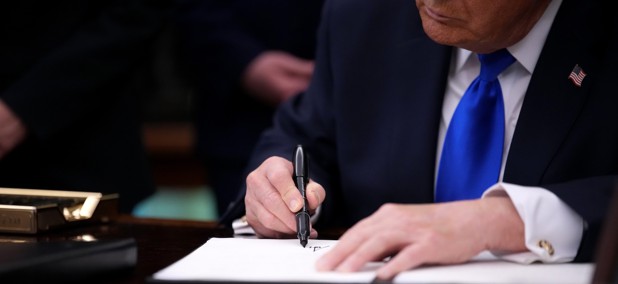
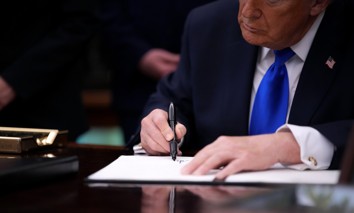
Trump signs order moving thousands of federal employees into Schedule F
Roughly 8,000 career federal employees were stripped of their civil service protections Wednesday, making them effectively at-will employees.
Federal employee NDAs aren’t new, but expanding them requires careful guardrails
COMMENTARY | A new proposal would expand federal nondisclosure agreements beyond classified work. Will it curb leaks or chill legitimate whistleblowing?