

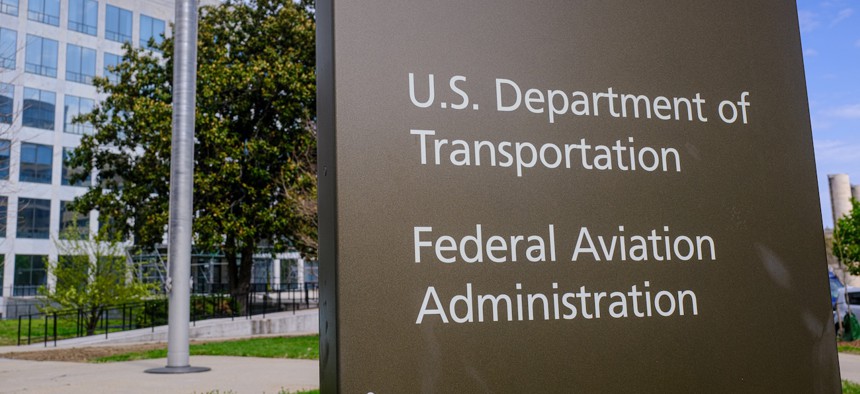
The Transportation Department concluded that an exceedingly small number of pilots require a lengthy review of their medical certificates and therefore the public is not at risk. J. David Ake/Getty Images





FAA surges medical staff after whistleblower alleges issues with certifying pilots and controllers
Hundreds of pilots may have been flying without proper medical clearance, the whistleblower had alleged.

The Federal Aviation Administration has added 40% more staff to review health certifications of pilots and air traffic controllers after an employee blew the whistle on severe shortfalls that allegedly endangered the public.
The backlog may have led to hundreds of pilots flying who should not have been medically cleared to do so and delayed hiring efforts for new controllers, the whistleblower alleged to the Office of Special Counsel. OSC, which reviews allegations from federal whistleblowers, recommended the FAA employee for a monetary award as a result of his disclosure.
“I thank the whistleblower for coming forward and their steadfast commitment to safeguarding the flying public,” said Charles Baldis, OSC’s chief counsel. “The disclosure prompted meaningful reforms at the FAA, and the whistleblower’s actions reflect the essential role federal employees play in identifying risks and improving the safety of our nation’s aviation system.”
The whistleblower first filed his complaint in 2023 and OSC referred it to the Transportation Department for an investigation the following year. As part of the staffing issues, the whistleblower alleged that 1,200 individuals who were flagged for potential medical issues were flying without further evaluations from FAA and that long waits for the agency’s sign off causes some pilots not to disclose illnesses and injuries. The shortages also risked creating backlogs in hiring air traffic controllers, who, unlike pilots, must clear medical exams conducted by FAA staff before taking their positions.
At the time, the whistleblower said, around one-in-three medical officer roles were vacant at FAA, while their workloads had increased by 250% over the previous seven years.
Transportation ultimately did not substantiate the allegations, finding instead that bottlenecks can occur at several stages of the medical review process and no gross mismanagement or public safety risks occurred. Pilots first go through a screening with a private doctor, and those who are certified to fly then go through an automated, algorithmic review by FAA for any "anomalies." Most of those are resolved before FAA’s medical officers get involved, Transportation found in its report, and it was unlikely that 1,200 pilots were flying aircraft with medical conditions that would put them at risk.
The department concluded that an exceedingly small number of pilots require a lengthy review of their medical certificates and therefore the public is not at risk. It also noted pilots have an affirmative duty to report any medical issues they might have.
Still, FAA has made a concerted effort to bring on more physicians to review medical exams from pilots and air traffic controllers. That initiative got underway in the Biden administration, but carried forward after President Trump took office. The medical officer staff were exempt from workforce reduction efforts and the federal hiring freeze, and has grown by nearly 40% since September 2024. The agency has also sought to better educate potential pilots on the information and documents required of them and contracted out some of the administrative work required for ATC approvals.
OSC disputed Transportation’s decision declining to substantiate the allegations, noting FAA struggled to meet its mandated 60-day window to complete reviews of medical certifications. It also found FAA has for several years been on a controller hiring spree, while the medical staff remained stagnant. In 2023 it took 133 days for a controller to receive medical clearance and controllers cannot begin working or training without such clearance.
“OSC does not find the agency’s conclusions regarding the lack of safety risks appear reasonable, but we appreciate that the agency prioritized corrective actions to greatly increase staffing and efficiency in AAM to nonetheless resolve these concerns,” Baldis said.
If you have a tip that can contribute to our reporting, Eric Katz can be securely contacted at erickatz.28 on Signal.
NEXT STORY: Agency partnerships are a potential financial lifeline for USPS, watchdog reports