
AI
AI ‘is changing the game’ in fraud threats and prevention efforts, SSA OIG official says
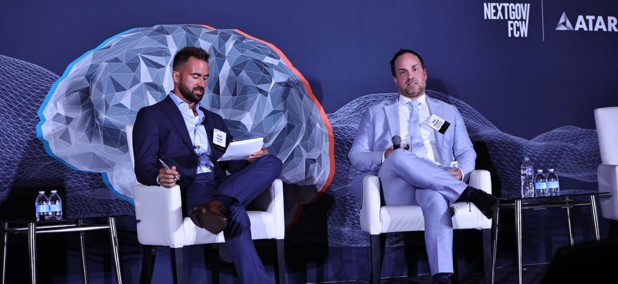
Chief Strategy Officer for the SSA Office of the Inspector General Chad Bungard said “the government is looking towards AI to fight fraud, and the criminals are looking towards AI to commit fraud.”
TSA uses AI agent to respond to 100,000 traveler conversations per month
The technology has resolved 96% of traveler inquiries without human escalation, according to Salesforce.
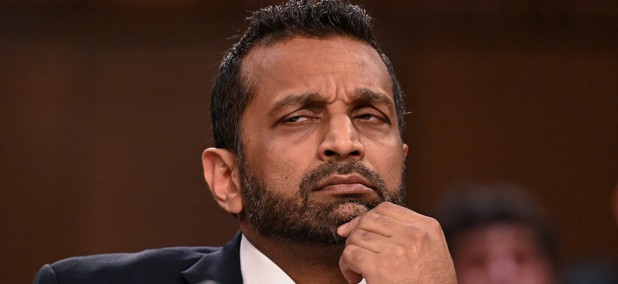
Patel won’t say whether FBI agents will be at the polls this fall
The FBI director faced senators’ questions about election activity, hiring standards and the bureau’s handling of AI crimes during a tense five-hour hearing on Tuesday.
VA watchdog uses AI to help compile healthcare facility audits
The Office of Inspector General has been using Copilot Chat “to review inspection data such as interview transcripts, documents, questionnaire responses, and physical observations.”


‘Digital employees’ are coming to the Defense Logistics Agency
Nearly 200 agentic-AI bots are already running autonomously as the combat support agency pushes ahead with AI-powered tools, CIO says.
The National Science Foundation is building out the government’s AI research infrastructure
A new center will help the agency expand access to the computing power and other resources researchers need to develop artificial intelligence.

National Archives says agencies’ AI use does not automatically create federal records
New guidance from the National Archives and Records Administration outlines when agencies should preserve AI-related materials as federal records and notes there is no “one size fits all” approach to doing so.

OPM memo pushes agencies to speed up hiring with AI
The federal human resources agency is exploring new AI tools for USA JOBS, USA Staffing and other USA hiring tools as agencies use AI in their hiring processes, according to the memo.
NSA wants access to ‘all’ AI models, top official says
The spy agency is taking a key role in the government’s new voluntary model-testing program, though its deputy director did not say which companies are participating.


What AI’s workplace adoption means for government agencies
COMMENTARY | Census data shows how workers are using AI in their everyday jobs, while government leaders are testing ways to bring those same practical uses into the public sector.

Labor looks to AI to tackle accommodation requests from disabled employees
Employees say they’ve waited months or longer for decisions, as the Labor Department considers using AI to sort requests and flag missing documentation.
Featured eBooks

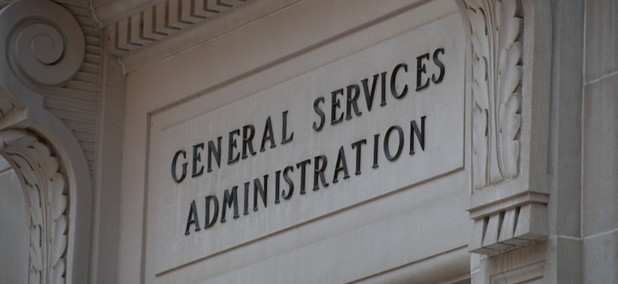
OneGov savings balloon to over $1.6B as agencies weigh future of AI in contracting
The General Services Administration has already agreed to extend some OneGov deals and is working on brokering new ones, according to an official.


The government's AI guardrails are taking shape behind closed doors
A new process could influence how advanced AI is developed and used, even as many of its details remain confidential.
OPM tells agencies to put tech recruiting at the center of staffing plans
The guidance from the government’s HR agency also set a governmentwide goal that at least 33% of external hires be early-career workers.


AI's growing role in rulemaking raises new transparency questions
As the Trump administration pursues an aggressive deregulatory agenda, concerns are mounting that artificial intelligence could make agency decisions harder to explain and defend.
Transportation looks to AI to accelerate its modernization initiatives
Steven Bradbury, the agency’s deputy secretary, said AI has helped Transportation slash its software production timeline from 18 months down to 18 weeks.
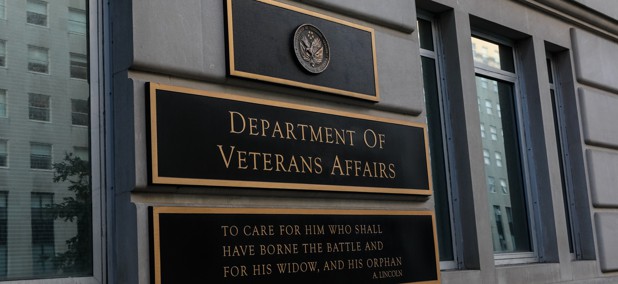
AI won’t replace human claims processors, VA officials say, as Democrats worry over staffing levels
Rep. Nikki Budzinski, D-Ill., said some VA employees report claims processing technologies are producing incorrect information.
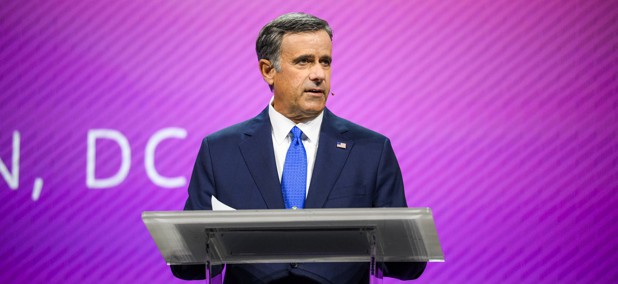
CIA will take ‘smart risks’ and ‘course correct’ as it adopts AI, director says
“We simply can’t afford to wait for a risk-free approach to emerging tech. It doesn’t exist. We have to move fast. We have to be aggressive,” CIA Director John Ratcliffe said.
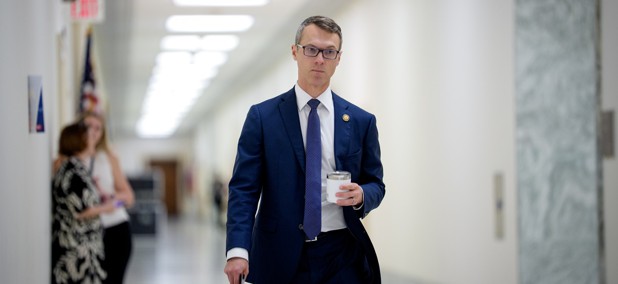

Lawmaker warns of administration’s ‘fetishization’ of Silicon Valley startups
Rep. James Walkinshaw, D-Va., discussed his plans to scrutinize Trump-era contracting practices, revive federal IT oversight and push for AI policy.
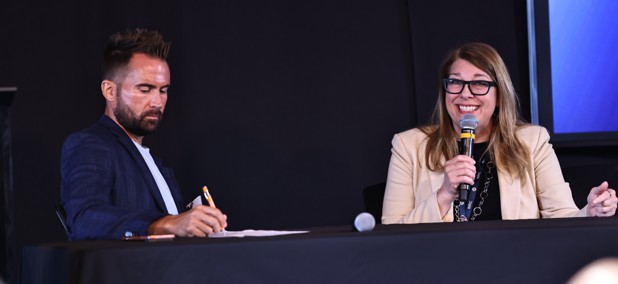
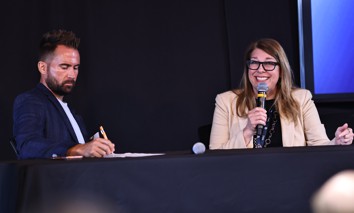
Artificial intelligence is cutting months off nuclear licensing review times, official says
Basia Sall, chief data officer and deputy chief AI officer at the Nuclear Regulatory Commission, said on Thursday that the technology is shortening review timelines while testing how far automated tools can improve regulatory work.